Breaking Down the Bill: What You're Really Spending Per Milligram of THC When You Vape
Most people buying a vaporizer think about the upfront cost and stop there. A $60 budget unit feels like a win. A $350 desktop feels like a splurge. But if you're only looking at the price tag on the box, you're missing the number that actually determines whether you're getting value: what you're paying per milligram of THC delivered.
That's the real unit of measurement. And once you start doing the math, some of those "deals" stop looking so good.
Starting With the Flower
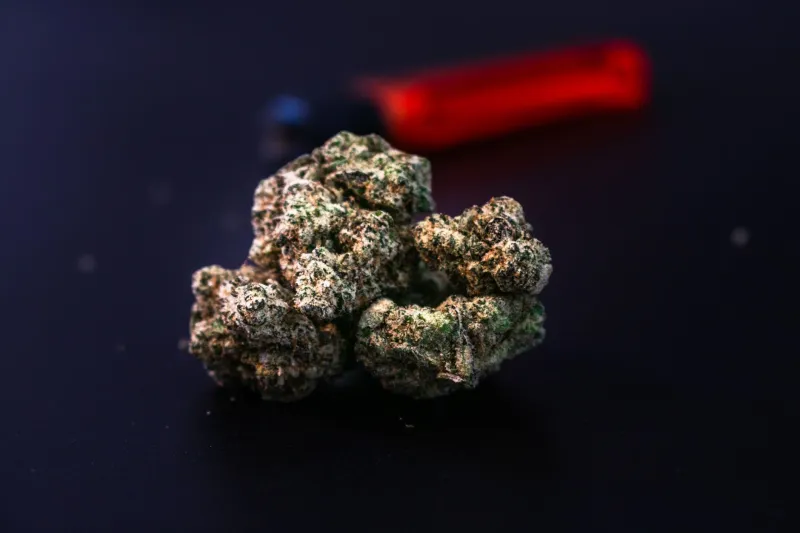
Before the vaporizer even enters the picture, you've got to account for what you're loading into it. In most US legal markets, mid-shelf cannabis flower runs somewhere between $10 and $18 per gram, depending on your state and dispensary. Premium eighths can push that number higher. Budget options at licensed shops — or legacy market pricing — can bring it down.
A gram of flower with a labeled THC content of 20% contains roughly 200 milligrams of THC. That's your ceiling. You will never extract all of it — no consumption method does. The question is how close your setup gets you, and what it costs to get there.
At $14/gram for 20% flower, you're paying about 7 cents per milligram of THC before any device efficiency is factored in. Keep that number in mind.
The Efficiency Variable: Where Most Vapers Leave Money on the Table
This is where device quality starts to actually matter in dollar terms. Vaporizers don't all extract cannabinoids at the same rate. A poorly calibrated budget unit running too hot or too cool can waste a significant percentage of your material — either combusting terpenes and cannabinoids before you inhale them, or failing to activate them at all.
Research on cannabis vaporization efficiency generally puts well-functioning convection vaporizers in the range of 70–80% cannabinoid extraction at optimal temperatures. Poorly designed conduction units, or any device used carelessly, can drop that to 40–55%.
Let's run those numbers side by side:
- Budget device at 50% efficiency: From that 200mg gram, you're accessing roughly 100mg of THC. At $14/gram, that's 14 cents per milligram delivered.
- Quality mid-range device at 70% efficiency: You're pulling around 140mg from the same gram. That drops your cost to roughly 10 cents per milligram delivered.
- Premium convection device at 80% efficiency: You're getting close to 160mg. Cost per milligram: about 8.75 cents.
That efficiency gap compounds fast when you're consuming regularly. Over a month, the difference between a 50% and 75% efficient device could easily represent the equivalent of several grams of flower — potentially more than the cost difference between the devices themselves.
Amortizing the Hardware
Here's where it gets interesting. The device cost doesn't disappear — it just spreads out over time. A $350 premium vaporizer sounds steep until you divide it across 18 months of regular use.
Assume a moderate user goes through about 3.5 grams per week (roughly an eighth). That's around 182 grams per year, or 273 grams over 18 months.
- $350 device amortized over 273 grams: Adds about $1.28 per gram to your cost, or roughly 0.6 cents per milligram at 80% efficiency.
- $80 budget device amortized over 273 grams: Adds about $0.29 per gram — but at 50% efficiency, you're still spending far more per milligram delivered overall.
The premium device wins on per-milligram cost even after factoring in its price, as long as it's actually used consistently and maintained properly. That caveat matters.
Concentrate vs. Flower: Rerunning the Numbers
Vaping concentrate through a compatible device changes the math considerably. A gram of live resin or distillate cartridge typically runs $35–$65 in US dispensaries and can test anywhere from 70–90% THC.
At $45 for a gram of 80% distillate cartridge, you've got roughly 800mg of THC available. Cartridges — being closed, pre-loaded systems — tend to deliver with less waste than open flower systems, though not all carts are created equal. Assume 85% delivery efficiency.
That puts you at about 6.6 cents per milligram — comparable to or better than flower in a high-efficiency device, and without the need for an expensive desktop setup.
But there's a catch: not all cartridges are accurately labeled, and quality control in the concentrate market varies widely by state. Some budget carts underdeliver significantly. If a cartridge labeled 80% THC is actually closer to 55%, your cost-per-milligram jumps to nearly 10 cents — and you've got no way of knowing without third-party testing.
Session Habits That Quietly Inflate Your Costs
Beyond hardware and flower quality, how you actually vape plays a surprisingly large role in what you're paying per dose.
Temperature creep is a big one. Many users gradually push temperatures higher over a session to chase the last bit of vapor. This often results in burning through material faster than necessary, degrading terpenes, and reducing session quality — all while increasing cost per meaningful hit.
Pack size matters too. Overpacking some vaporizers restricts airflow and reduces efficiency. Under-packing can cause uneven heating. Learning the sweet spot for your specific device is genuinely worth the effort in cost terms.
Session sharing is the wildcard. A solo session in a well-dialed device is far more efficient than passing it around, where temperature fluctuates and material continues to slowly off-gas between hits.
So What's the Takeaway?
The honest answer is that premium hardware tends to win on per-milligram cost once you account for efficiency — but only if you're a consistent, regular user who maintains their device and pays attention to session habits. For casual, infrequent consumers, the math is less clear-cut. A $60 device that works at 55% efficiency might be perfectly cost-effective if you're only using it a few times a month.
What this analysis really argues against is the idea that cheaper is inherently smarter. A vaporizer that wastes 40–50% of your flower isn't saving you money — it's just hiding the cost in your dispensary receipts instead of your Amazon cart.
Run your own numbers. Know your flower's THC content, know your device's general efficiency range, and track what you're actually spending. The math has a way of making the right choice pretty obvious.