Dead on Arrival: What Actually Kills Expensive Vaporizers (And How to Spot a Lemon Before You Buy)
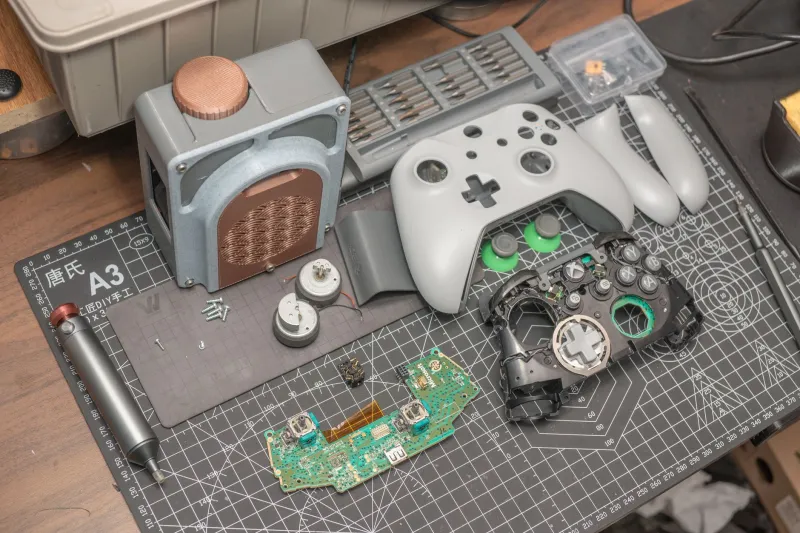
There's a specific kind of frustration that hits when a $250 vaporizer stops working correctly. It's not just the money — it's the betrayal. You did your research, read the reviews, maybe even waited for a sale. And now, somewhere between six and eighteen months later, you're staring at a device that won't heat evenly, won't hold a charge, or just won't turn on at all.
Here's the uncomfortable truth: expensive vaporizers fail at surprisingly similar rates to budget ones. The reasons they fail, though, are a little more interesting — and a lot more preventable.
The Heating Element: The Heart That Gives Out First
If vaporizers had a single most vulnerable component, it would be the heating element. Whether a device uses conduction or convection, the element is doing serious work every single session — cycling through extreme temperature swings, often multiple times a day.
Ceramic heating elements, which dominate the premium market, are praised for clean flavor and even heat distribution. But ceramic is brittle. Micro-fractures develop over time, especially when a device is dropped or subjected to rapid temperature changes. Once a crack forms, heat distribution becomes uneven, and that's when you start getting those frustrating hot spots that scorch your material on one side while leaving the other barely touched.
Stainless steel elements are more durable physically, but they're prone to oxidation and residue buildup that can eventually affect both performance and taste. Some manufacturers use hybrid designs — ceramic-coated steel — which sounds like the best of both worlds but can delaminate under heavy use, essentially giving you the worst of both.
Warranty claim data from several major manufacturers (including publicly available figures from Storz & Bickel and PAX Labs) consistently shows heating element failure as one of the top three reasons for returns and replacements, typically surfacing between the 12- and 24-month mark. That's right at or just past the standard one-year warranty window for most brands — a timing that is, let's say, not entirely coincidental.
Battery Degradation: The Slow Death Nobody Talks About
Lithium-ion batteries are everywhere, and vaporizer manufacturers lean on them hard. The problem is that lithium-ion chemistry degrades — full stop. Every charge cycle reduces the battery's maximum capacity slightly, and after 300 to 500 full cycles (which a daily user can hit in under two years), you're often looking at a battery that holds 60–70% of its original charge.
For a portable vaporizer, that translates directly into fewer sessions per charge and longer recharge times. What starts as a device that gets you through a full day on a single charge becomes something you're topping off twice before dinner.
The bigger issue is that most portable vaporizers use non-replaceable internal batteries. That's a deliberate design choice — it makes devices slimmer, more water-resistant, and easier to manufacture — but it means that when the battery degrades past the point of usefulness, the entire device is effectively disposable. A handful of brands, including Mighty+ from Storz & Bickel and certain Arizer models, offer user-replaceable batteries, and that single feature dramatically extends a device's practical lifespan.
Before you drop serious money on a portable vape, it's worth asking: can I replace this battery myself, or am I buying a $300 device with a built-in expiration date?
Air Pathways: The Slow Clog Nobody Sees Coming
Vaporizer air pathways — the channels, tubes, and screens through which vapor travels from the heating chamber to your mouth — are the most underappreciated failure point in the whole system. They're also the most preventable.
Resin, terpene residue, and particulate matter accumulate in air pathways with every single session. Over time, this buildup restricts airflow, which forces you to draw harder, which stresses the heating element, which accelerates wear. It's a cascade failure that starts with something as simple as skipping a cleaning session.
Narrow, complex air path designs — common in devices marketed for flavor purity — are especially vulnerable. The more bends and chambers vapor passes through, the more surface area there is for residue to collect. Some devices, like those with all-glass vapor paths, are easier to clean but fragile. Others use silicone tubing that's easy to rinse but can absorb odors and degrade with certain cleaning solvents.
Screen failures are another common culprit. Fine mesh screens that filter particulate from vapor can warp, clog permanently, or corrode if cleaned with the wrong solution. Most manufacturers recommend isopropyl alcohol at 91% or higher — anything weaker leaves water residue, and harsh solvents can damage coatings.
Design Red Flags to Watch Before You Buy
Not all vaporizer failures are inevitable. Some are baked into the design from day one. Here's a framework for evaluating build quality before you commit:
Warranty length and terms. A one-year warranty is table stakes. Two years signals manufacturer confidence. Look closely at what's actually covered — some warranties exclude heating elements or batteries, which are the two components most likely to fail.
Repairability. Can you source replacement parts? Does the manufacturer sell them directly? Is there a service center in the US? Brands that support repair are betting on longevity; brands that don't are betting you'll just buy another one.
Air path complexity. Simpler paths are easier to maintain. If a device's marketing emphasizes a multi-stage, precision-engineered vapor journey, ask yourself how you're going to clean all of that.
Battery configuration. Replaceable battery = longer useful life. Non-replaceable battery = plan for eventual obsolescence.
Material quality signals. Full stainless steel construction, borosilicate glass components, and medical-grade silicone are positive indicators. Plastic anywhere near the heating chamber or vapor path is a yellow flag worth scrutinizing.
User community health. Reddit communities like r/vaporents are genuinely useful here. If a device has a thriving community of long-term users still raving about it after three or four years, that's a real data point. If the threads are full of posts about failures at the 14-month mark, believe them.
What You Can Actually Do
If you already own a vaporizer, the most impactful thing you can do is maintain the air path religiously. Clean screens after every few sessions. Wipe down the chamber after each use. Run an isopropyl-soaked cotton swab through the vapor path weekly if you're a regular user. These habits alone can double the functional lifespan of most devices.
If you're shopping for a new device, prioritize repairability and warranty terms over spec sheet glamour. A vaporizer that heats to 428°F in 22 seconds sounds impressive until the heating element cracks and the company doesn't sell replacement parts.
The vaporizer market rewards patient, informed buyers. The flashiest device in the display case isn't always the one that's going to be sitting on your coffee table two years from now — but the one with a solid warranty, an active user community, and a manufacturer that actually picks up the phone just might be.