Bubbler, Bong Attachment, or Bare Draw: Does Water Filtration Actually Make Your Vape Better?
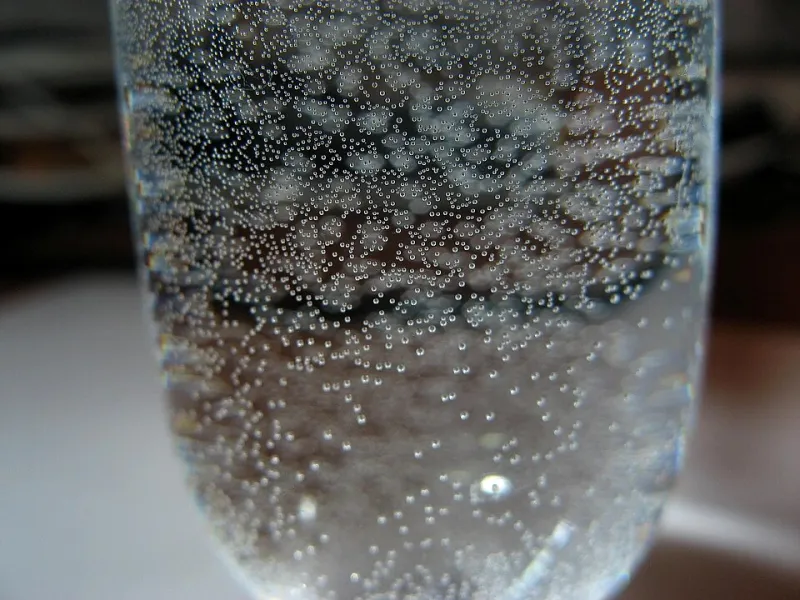
Photo: Paolo Neo, Public domain, via Wikimedia Commons
Walk into any well-stocked head shop from Portland to Miami and you'll find a shelf full of water filtration attachments, mini bubblers, and cooling stems designed to pair with vaporizers. The pitch is seductive: smoother hits, cooler vapor, better flavor, easier on your lungs. It sounds like a straight upgrade. But spend time in vape communities — Reddit threads, Discord servers, the comment sections of cannabis forums — and you'll find a surprisingly divided crowd. Some swear by their water attachments. Others say they're overhyped gear that just adds more stuff to maintain.
So who's right? Like most things in the vaporizer world, the honest answer is: it depends.
The Basic Physics of Vapor Cooling
Before getting into the debate, it helps to understand what these attachments are actually doing. When vapor exits your vaporizer's heating chamber, it can be anywhere from warm to genuinely hot depending on your temperature setting and device design. Inhaling that vapor at high temperatures isn't just uncomfortable — it can cause irritation in your throat and airways over time.
Cooling systems work through a few different mechanisms. Water filtration bubblers force vapor through water, which simultaneously cools it and adds humidity, softening the harshness. Dedicated cooling stems or coiled glass attachments extend the vapor path without water, allowing the vapor to lose heat through contact with a longer surface before it reaches your mouth. Some devices, like the Mighty+ from Storz & Bickel, incorporate cooling units directly into the device design rather than relying on add-ons.
Each approach has a distinct trade-off profile.
The Case For Water Filtration
For high-temperature vaping — sessions in the 400°F-plus range where you're chasing thick, cannabinoid-dense draws — water filtration makes a genuinely noticeable difference. The vapor arrives at your lungs cooler, more humid, and significantly less abrasive. If you've ever taken a hot, dry draw from a vaporizer and spent the next thirty seconds coughing, you already understand the appeal.
Users with respiratory sensitivities tend to be the most enthusiastic advocates. Water filtration reduces the thermal stress on your airways, which matters for anyone managing conditions like asthma or chronic bronchitis. In the US, where a significant portion of the cannabis consumer base turned to vaporization specifically to reduce respiratory irritation, that's not a trivial benefit.
There's also a social and ritual dimension that shouldn't be dismissed. Attaching a quality glass bubbler to a desktop vaporizer like the Arizer Extreme Q or a Volcano creates a genuinely different kind of session — slower, more ceremonial, better suited to a group setting. It's not just about function. It's about the experience.
The Case Against
Here's where the water filtration skeptics raise valid points. The primary complaint is flavor degradation. Water, by its nature, traps some of the volatile aromatic compounds — terpenes — that give cannabis its distinctive taste profile. If you've spent good money on a terpene-rich craft flower and you're vaping it through a water attachment, you may genuinely be losing some of the nuance that makes that strain interesting.
For flavor-first vapers — the kind of people who carefully choose low-temperature sessions specifically to preserve delicate terpene profiles — a straight draw through a quality cooling stem often delivers a more expressive, complex taste than anything filtered through water.
The maintenance argument is also legitimate. Water attachments require regular cleaning. Stagnant water in a bubbler grows bacteria and mold faster than you'd expect, especially with the warmth from regular use. If you're not diligently changing the water after each session and doing a thorough clean weekly, your "healthier" setup might actually be delivering contaminated vapor. That's not a hypothetical — it's a real concern that comes up frequently in vape communities.
Finally, there's the portability factor. Water filtration is almost exclusively a home or desktop scenario. Carrying a glass bubbler attachment in your bag alongside a portable vaporizer is impractical at best and a broken-glass disaster at worst.
Cooling Stems: The Middle Ground
For users who want cooler vapor without the water filtration trade-offs, dedicated cooling stems and extended mouthpiece designs offer an appealing compromise. Devices like the DynaVap with an extended stem, or aftermarket coiled glass stems compatible with various vaporizers, extend the vapor path without introducing moisture.
The result is vapor that arrives noticeably cooler than a direct draw while preserving significantly more terpene character than water filtration. Cleaning is easier — no water to manage, no bacterial growth risk — and the setup remains relatively portable.
For lower-temperature sessions where flavor is the priority, a quality cooling stem frequently outperforms a water bubbler on the taste dimension while still delivering a comfortable draw.
When the Add-Ons Actually Earn Their Place
So where does this leave you? A few scenarios where water filtration is genuinely worth the trade-offs:
You run hot. If you primarily vape at high temperatures for maximum extraction, the thermal reduction from water filtration is real and meaningful. Your throat will thank you.
You're sharing. Group sessions around a desktop vaporizer with a quality glass water attachment create a more enjoyable communal experience. The visual element alone — watching vapor bubble through water — adds something to the ritual.
You have airway sensitivity. If respiratory comfort is a priority for you, the cooling and humidifying effect of water filtration may outweigh the flavor loss.
And where to skip it:
You're a flavor chaser. Low-temp, terpene-forward sessions are better served by a straight draw or a dry cooling stem.
You're vaping on the go. Water attachments and portability don't mix well.
You hate cleaning gear. An attachment you don't maintain properly becomes a liability, not a feature.
The Verdict
Water filtration isn't hype — but it isn't magic either. It's a tool that genuinely serves specific use cases and genuinely detracts from others. The best vape setup is the one that matches how you actually consume, not the one with the most attachments.
If you've never tried a water bubbler with your desktop vaporizer, it's worth experimenting. If you've been using one religiously and wondering why your sessions feel flavorless, try going bare for a week. You might be surprised what you've been missing.