Not So Fast: How Switching to a Vaporizer Can Actually Reduce Some of Cannabis's Worst Side Effects
Let's be honest — cannabis doesn't always feel like the chill, euphoric experience the culture promises. Sometimes it's a scratchy throat, a cotton-mouth so bad you'd drink a garden hose, or that uncomfortable mental spiral that makes you stare at the ceiling at 2 a.m. wondering if you accidentally signed up for a panic attack.
These side effects are real, they're common, and they push a lot of people away from cannabis altogether. But here's the thing: many of them have less to do with cannabis itself and more to do with how you're consuming it. And your vaporizer — used thoughtfully — can make a meaningful difference.
This isn't a pitch for vaping as some magical cure-all. It's a practical breakdown of what's actually happening in your body, why vaporization changes the equation, and what you can do right now to have a smoother, more comfortable experience.
Why Combustion Is the Problem, Not Just the Plant
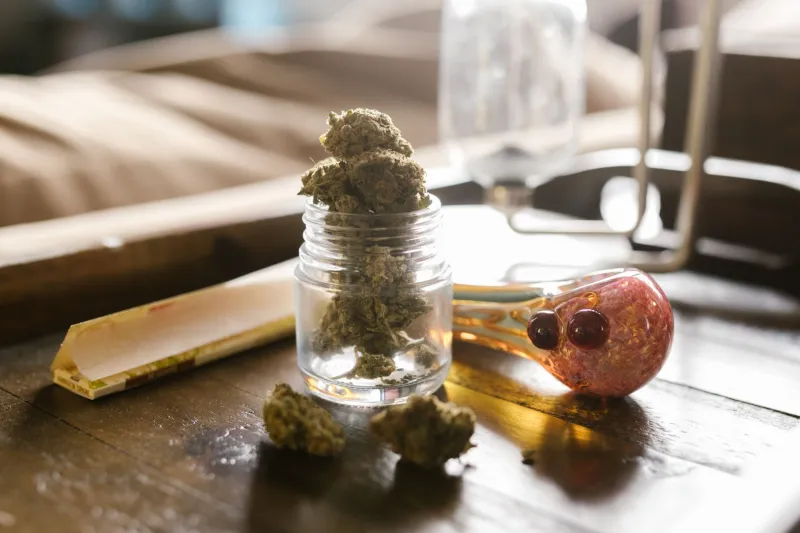
When you light a joint or pack a bowl, you're not just burning cannabis — you're burning everything. The plant material, the paper, trace pesticides if your flower wasn't grown clean, and dozens of combustion byproducts including carbon monoxide, benzene, and fine particulate matter. Your lungs were not designed to process a rolling bonfire.
Vaporizers sidestep combustion entirely. Instead of igniting the flower, a good vaporizer heats it to a temperature range — typically between 320°F and 430°F — that converts cannabinoids and terpenes into an inhalable vapor without triggering full combustion. The aerosol you inhale is chemically distinct from smoke, containing significantly fewer toxic byproducts.
A widely cited 2007 study published in the Journal of Psychoactive Drugs found that vaporizer users reported fewer respiratory symptoms than smokers consuming similar amounts of cannabis. That's not marketing copy — that's peer-reviewed research pointing to a real physiological difference.
The Coughing Problem: Temperature Is Everything
If you switched to a vaporizer and you're still coughing, you're probably running it too hot. This is one of the most common mistakes new vape users make, and it's an easy fix.
At higher temperatures — say, above 390°F — vapor becomes denser, hotter, and harsher on your airways. You're not burning the material, but you're producing a thick cloud that your bronchial tubes aren't thrilled about. Drop your temperature to the 340°F–370°F range and you'll get a lighter, cooler vapor that's noticeably gentler on your throat and lungs.
Your draw technique matters too. Long, slow pulls — think five to seven seconds — allow the vapor to partially cool before it reaches your airways. Aggressive, rapid rips might feel satisfying in the moment but they deliver a concentrated blast of heat that triggers that involuntary cough reflex. Slow it down and your body will thank you.
Dry Mouth: You're Not Imagining It, But You Can Manage It
Cottonmouth is one of cannabis's most universal side effects, and vaporizing doesn't eliminate it. Here's why: THC and CBD both interact with the endocannabinoid receptors in your salivary glands, temporarily reducing saliva production. This happens regardless of whether you smoke or vape.
What vaporization does reduce is the compounding dryness caused by smoke itself. Smoke is inherently desiccating — it dries out mucous membranes the way any hot, particulate-heavy air does. Vapor, especially at lower temperatures, is less aggressive on those tissues.
The practical fix is simple but requires actual discipline: hydrate before, during, and after your session. Keep a glass of water nearby — not a soda, not a beer, actual water. Electrolyte drinks work well too. Some users swear by chewing gum during sessions to stimulate saliva production. And if you're using a vaporizer with a water attachment or bubbler, that added moisture in the vapor path can make a noticeable difference in how parched you feel afterward.
Paranoia and Anxiety: The Temperature and Strain Connection
This one is more nuanced, but it matters. Cannabis-induced anxiety and paranoia are most commonly associated with high doses of THC, and vaporization actually gives you a degree of control over your intake that smoking simply doesn't.
With a joint, you're getting a relatively uncontrolled delivery of cannabinoids — the burn rate, your draw, the potency of the flower all interact unpredictably. With a vaporizer, you can take a single measured draw, set it down, and wait. The onset with vaporization is typically faster than edibles but still gradual enough that you can gauge your response before you've gone too far.
Temperature also plays a role here that most people don't know about. CBD vaporizes most efficiently in the 320°F–356°F range, while THC peaks a bit higher. If you're using a full-spectrum flower with a meaningful CBD content, running your session at a lower temperature preserves more of that CBD, which research suggests can counteract some of THC's anxiety-promoting effects. Running the same flower at 420°F is going to skew the ratio toward THC-dominant vapor.
Strain selection matters independently of your device, of course. High-THC, low-CBD cultivars — which dominate the legal market because THC is what gets tested and marketed — are more likely to trigger anxiety in sensitive users. If paranoia is a recurring issue for you, seeking out strains with a more balanced cannabinoid profile is worth the extra effort at your dispensary.
What Vaporization Can't Fix
Let's be clear about the limits here. Vaporizing is not a medical intervention. It won't eliminate side effects for everyone, and it's not a substitute for talking to a healthcare provider if you're experiencing serious adverse reactions.
If you're consistently dealing with significant anxiety, heart palpitations, or severe respiratory discomfort, those are signals worth taking seriously regardless of your consumption method. And while vapor contains fewer combustion byproducts than smoke, inhaling anything into your lungs carries some level of risk — the long-term respiratory effects of cannabis vaporization are still being studied.
The 2019 EVALI outbreak, linked primarily to vitamin E acetate in illicit THC cartridges, was a stark reminder that not all vaping is equal. Stick to legal, lab-tested products and reputable hardware.
Small Adjustments, Real Differences
The takeaway here isn't that vaporizers are perfect or that side effects are entirely avoidable. It's that you have more control than you might think. Lower temperatures, slower draws, proper hydration, measured dosing, and thoughtful strain selection are all levers you can pull to shape your experience.
The technology in your vaporizer is genuinely sophisticated. Using it well — not just turning it on and ripping away — is what separates a session you'll want to repeat from one you'd rather forget.