When the Magic Fades: Understanding Cannabis Tolerance and How to Get Your Sessions Back on Track
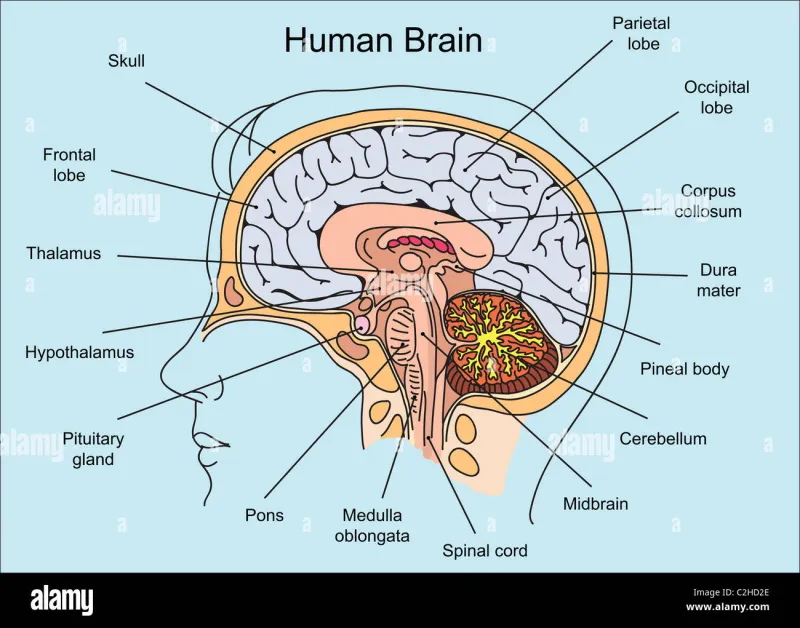
Photo: brain neuroscience cannabis receptor science illustration, via c8.alamy.com
There's a moment every regular cannabis consumer eventually hits. You load your vaporizer, dial in your favorite temperature, take a few draws — and then wait. The effect shows up, sure, but it's muted. Flat. Like listening to a song you love through a wall. You haven't changed your flower, you haven't changed your device, but something has clearly shifted. Welcome to the tolerance trap.
This isn't a vaporizer malfunction. It's neuroscience.
What's Actually Happening in Your Brain
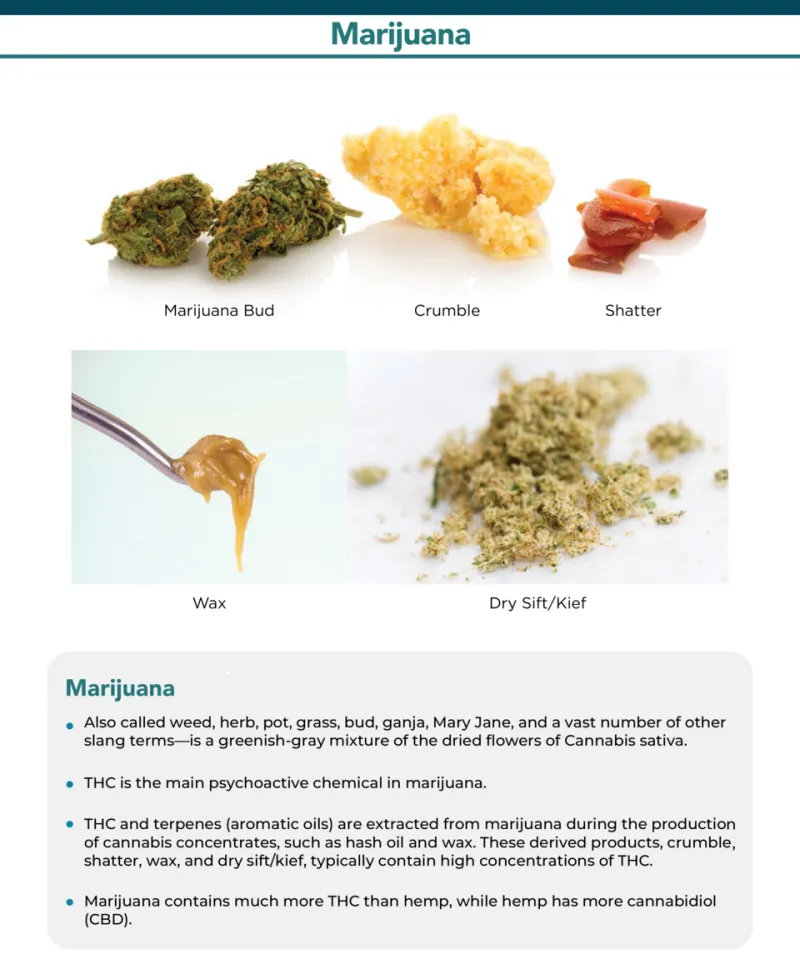
Cannabis gets its psychoactive kick primarily through THC, which binds to CB1 receptors scattered throughout your brain and central nervous system. These receptors are part of the endocannabinoid system — a regulatory network your body uses to manage everything from mood and appetite to pain response and memory formation.
When you consume cannabis regularly, your brain does something clever and frustrating in equal measure: it starts downregulating CB1 receptor density. Essentially, it reduces the number of available receptors and decreases their sensitivity. This is your nervous system's way of compensating for the constant chemical signal. The result? You need more THC to achieve the same effect that a smaller amount used to produce.
Research published in the journal Neuropsychopharmacology found that even moderate daily cannabis users showed measurable CB1 receptor downregulation compared to non-users. The good news is that this process is largely reversible — receptor density can bounce back after a period of abstinence.
Why Vaporization Might Speed This Up
Here's where it gets specifically relevant for vape users. Vaporization is one of the most efficient delivery methods available. Compared to combustion, a well-calibrated vaporizer extracts a higher percentage of available cannabinoids from your material. That's a feature, obviously — but it also means your brain's CB1 receptors are getting hit with a more consistent, potent dose every single session.
Smoke has a lot of variability. Vape hits, especially from quality convection or hybrid devices, are remarkably repeatable. That consistency is part of what makes vaporizers so appealing, but consistency in high-dose delivery is also exactly what accelerates receptor downregulation. If you're vaping daily — or multiple times a day — you may be building tolerance faster than someone who smokes occasionally or uses edibles with their unpredictable absorption windows.
The other factor is temperature. Many experienced vapers gradually creep their temperature settings higher over time, often without realizing it, chasing that original feeling. Higher temps release more cannabinoids per draw, which again pushes the tolerance spiral forward.
The Tolerance Break: Overrated or Underrated?
The classic answer to tolerance is a T-break — a period of abstinence that lets your endocannabinoid system recalibrate. And honestly? The science backs it up. Studies suggest that CB1 receptor density begins recovering within 48 hours of stopping use, with significant restoration occurring after two to four weeks.
But let's be real about what a T-break actually involves. For daily users, the first few days can bring irritability, disrupted sleep, and appetite changes. These aren't dangerous, but they're uncomfortable enough that a lot of people bail early. If you're going to do a break, even a week makes a noticeable difference. Two weeks is better. A full month will essentially reset your sensitivity close to baseline.
If total abstinence sounds brutal, there's a middle path worth trying: a significant consumption reduction rather than a full stop. Cutting your daily sessions in half for two to three weeks can meaningfully reduce tolerance without the full withdrawal experience.
Rotation Strategies That Actually Help
One underutilized approach is cannabinoid and strain rotation. Many regular vapers stick to high-THC flower because it delivers the most obvious effect — but this is precisely the habit that burns out your CB1 receptors fastest.
Try building in regular sessions with high-CBD, low-THC flower or blends. CBD doesn't bind strongly to CB1 receptors, so it won't contribute to downregulation. Some users report that rotating CBD-dominant sessions into their weekly routine helps maintain sensitivity to THC over time. Think of it as giving your receptors a scheduled rest while still enjoying the ritual of vaping.
Minor cannabinoids like CBG and CBN are also worth exploring. These compounds interact with the endocannabinoid system differently than THC, offering their own functional effects without hammering the same receptor pathway. As the legal cannabis market in the US continues expanding, high-CBG and CBN-rich products are becoming more widely available at dispensaries across states with adult-use programs.
Temperature Discipline and Microdosing
Revisiting your temperature settings is one of the simplest tolerance management tools available to vape users. If you've been sitting at 410°F or above, try dropping back down to the 360–380°F range for a few weeks. You'll extract fewer cannabinoids per draw, which means your receptors get less stimulation per session. It might feel underwhelming at first — that's the tolerance talking — but you're giving your system a chance to recalibrate.
Pairing lower temperatures with a deliberate microdosing approach can be surprisingly effective. Rather than loading a full bowl and going for maximum effect, try a single draw at a moderate temperature, wait fifteen minutes, and assess. Many users find that after a week or two of intentional microdosing, the same small amount starts delivering noticeably more than they expected.
Playing the Long Game
Tolerance is a natural biological process, not a failure. But it's also manageable with a bit of strategy. The vaporizer experience is genuinely worth protecting — the flavor clarity, the temperature control, the efficiency — and all of that gets diminished when your tolerance has climbed so high that you're packing bowl after bowl just to feel something.
The most sustainable approach combines occasional breaks, cannabinoid variety, temperature discipline, and honest self-awareness about consumption patterns. Your endocannabinoid system is remarkably adaptive in both directions. With a little patience, getting that first-session feeling back is genuinely achievable.
And when it does come back? You'll remember why you fell in love with vaping in the first place.