Ghost Hits and Bland Sessions: What's Killing Your Vaporizer's Flavor (And How to Wake It Back Up)
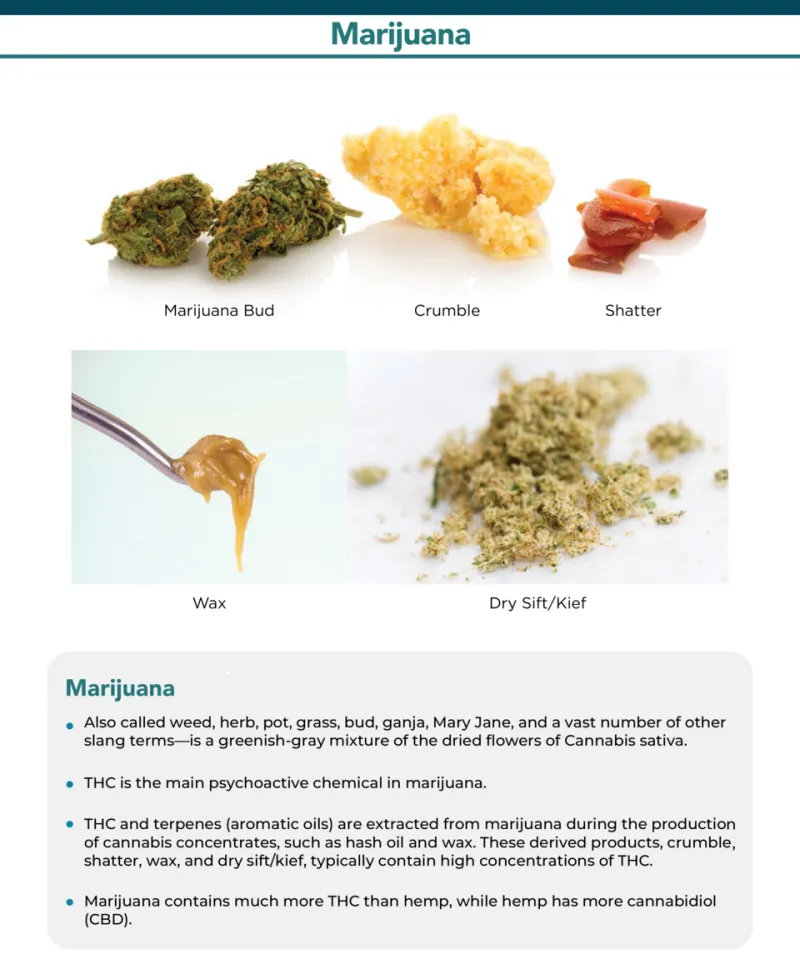
Photo: Centers for Disease Control and Prevention, Public domain, via Wikimedia Commons
There's a specific kind of disappointment that every regular vaporizer user knows. You crack open a fresh jar of flower — something the budtender promised would smell like a fruit stand in July — load it up, and take a pull. And it tastes like... warm air. Maybe a hint of something. Maybe nothing at all.
Your vaporizer isn't broken. Your cannabis isn't fake. But something has definitely gone sideways. The flavor fade is real, it's frustrating, and it's surprisingly well-explained by science. Here's what's actually happening — and what you can do about it.
Your Nose Is Working Against You
Before blaming your hardware, consider the most overlooked variable in the whole equation: you.
The human olfactory system is wired for novelty. When you encounter a new scent, your nose fires hard — neurons activate, signals flood the brain, and you get that vivid first impression. But repeat that same exposure consistently, and something called olfactory accommodation kicks in. Your brain essentially decides the smell isn't new information anymore and starts tuning it out. It's the same reason you stop noticing your own cologne twenty minutes after applying it.
With cannabis vaporization, this plays out on two timescales. Within a single session, the first draw almost always tastes the most complex. By the third or fourth hit, your palate has already adapted to the dominant terpenes and the experience flattens. Over weeks of using the same strain, your baseline perception shifts further still — what once tasted like a burst of citrus and pine now registers as a vague, herby warmth.
This isn't a flaw in your equipment. It's just neuroscience.
The Residue Problem: A Chemistry Lesson
That said, your hardware isn't entirely innocent either.
Every vaporization session leaves behind a thin layer of material in your chamber, airpath, and mouthpiece. This residue is a mixture of plant waxes, degraded cannabinoids, oxidized terpenes, and combustion byproducts from any material that got a little too hot. Over time, these deposits accumulate and interact with fresh vapor as it passes through — essentially contaminating each new draw with the ghosts of previous sessions.
The chemistry here matters. Terpenes are volatile aromatic compounds, and they're also chemically reactive. When oxidized terpene residue coats your vapor path, it doesn't just add an off-flavor — it can actually bind with fresh terpene molecules in incoming vapor, dulling their aromatic expression before they ever reach your taste receptors. Think of it like trying to smell fresh flowers in a room that's been closed up all summer. The background noise drowns out the signal.
Convection vaporizers tend to accumulate residue more slowly since the herb isn't in constant contact with a heated surface. Conduction units, where the chamber walls heat the material directly, see faster buildup — especially if you're running sessions at higher temperatures.
Seasonal Cannabis Chemistry and Harvest Timing
Here's something most vaporizer guides never mention: the cannabis itself changes throughout the year, and your expectations might not be keeping pace.
Terpene profiles in cannabis aren't static. They vary by genetics, of course, but also by growing conditions, harvest timing, curing duration, and how long the product has been sitting in the supply chain. In legal US markets, the flower you buy in January may have been harvested in October and stored for months. Terpenes are among the first compounds to degrade — they're sensitive to heat, light, and oxygen, and even well-sealed packaging can't fully stop the clock.
Fresh-cured flower from a local craft cultivator (something you're more likely to find at smaller dispensaries or in states with robust local growing scenes like California, Oregon, or Colorado) will often deliver dramatically more complex vapor than older stock from larger distribution networks. If your sessions have been tasting flat lately, it's worth asking your budtender when the batch was harvested and how it was stored.
Looking for a freshness signal? The jar should smell vivid and sharp when opened. If it smells faintly musty or just "green," the terpenes have already done a lot of their evaporating before you even got there.
Palate Reset: Practical Strategies That Actually Work
So how do you get back to that first-bowl magic? A few approaches, ranging from simple to slightly more involved:
Take a tolerance break from your primary strain. Even a few days away from a specific cultivar is enough to let your olfactory receptors recover some sensitivity. Switching to something with a completely different terpene profile — say, moving from a heavy myrcene-forward indica to something high in limonene or terpinolene — can also effectively reset your palate without a full break.
Try low-temperature sessions with fresh flower. The lower end of your vaporizer's range (around 325–360°F) is where the most volatile, delicate terpenes express themselves before the heat burns them off. If you've been running hot to maximize vapor production, you may be literally cooking away the flavor compounds you're trying to taste. Drop the temp and slow down your draw speed.
Smell something neutral between hits. Professional perfumers use coffee beans to clear their palate between scent evaluations. Cannabis consumers can do something similar — sniffing your own skin (specifically the crook of your elbow) is a surprisingly effective reset that sommeliers and fragrance experts actually recommend.
Deep-clean your vapor path. This isn't just about hygiene (though it is that too). A thorough isopropyl alcohol flush of your airpath, mouthpiece, and any glass components removes the oxidized residue that's been muting your terpene perception. If you've never disassembled your device for a real cleaning, the difference in flavor quality post-clean can be startling — almost like using a new unit.
Store your cannabis better. An airtight, opaque container in a cool environment is your best defense against terpene loss. Humidity packs (62% relative humidity is a common sweet spot) help maintain the moisture balance that keeps aromatic compounds from evaporating prematurely.
The Bigger Picture
Flavor degradation in vaporization is rarely caused by just one thing. It's usually a combination of sensory adaptation, equipment residue, and the natural chemistry of aging cannabis all working in the same direction at once. The good news is that each of those factors is addressable.
Taking the time to understand why your sessions taste flat — rather than just accepting it — is what separates a thoughtful cannabis consumer from someone who's just going through the motions. Your vaporizer is capable of delivering a genuinely complex, nuanced experience. Sometimes it just needs a little help getting back there.