All Wax, No Flower: How a Growing Wave of Vapers Went Concentrate-Only and Never Looked Back
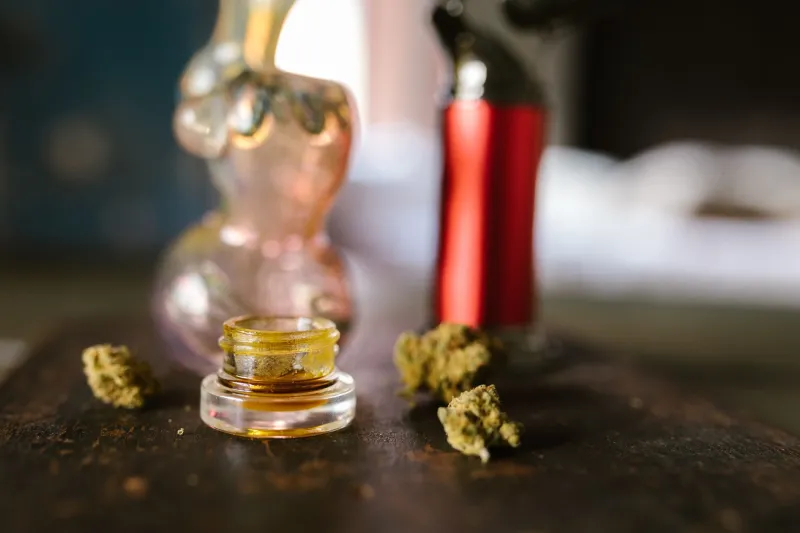
There's a corner of the cannabis community that barely talks about buds anymore. No grinding, no packing chambers, no debating whether a particular strain smells like blueberries or diesel. These consumers — scattered across dispensary loyalty apps, Reddit threads, and Discord servers — have made a clean break from flower entirely. For them, it's concentrates or nothing.
This isn't a fringe thing anymore. Walk into any well-stocked dispensary in Colorado, California, or Michigan and you'll see the concentrate shelf expanding every season. Live resin, badder, crumble, rosin, distillate — the options have exploded, and so has the technology built to vaporize them. The concentrate-only movement didn't happen in a vacuum. It grew alongside hardware that finally got good enough to make the lifestyle genuinely practical.
What's Driving People Away From Flower
Ask a concentrate-only vaper why they made the switch and you'll hear a few common themes. Smell is a big one. Concentrates, especially when vaped at controlled temperatures, produce significantly less odor than combusted or even vaporized flower. For people living in apartments, sharing spaces with non-users, or navigating professional lives where discretion matters, that's not a minor perk — it's the whole ballgame.
Potency is the other obvious factor. Concentrates routinely test between 70 and 90 percent THC, sometimes higher, compared to the 20 to 30 percent range you see on most premium flower. For high-tolerance consumers, this isn't just about chasing intensity — it's about efficiency. You need far less material to hit the same place, and that changes the math on every session.
There's also something to be said for consistency. A well-made live resin or solventless rosin delivers a predictable experience in a way that flower — which varies by cure, humidity, grind, and a dozen other variables — simply doesn't. Concentrate-only users tend to be people who've optimized their sessions down to a science. They want repeatable results, and concentrates give them that.
The Hardware Question Nobody Talks About Enough
Here's the part that separates the curious from the committed: not every vaporizer handles concentrates well. Most entry-level dry herb vapes are designed specifically for flower, and throwing wax into a conduction chamber is a good way to ruin both your session and your device. Concentrates are viscous, they melt at lower temperatures, and they leave behind residue that builds up fast.
The concentrate-only lifestyle basically demands one of three hardware paths. The first is a dedicated wax pen or dab pen — compact, affordable, and purpose-built for the task. Brands like Puffco and Dr. Dabber have pushed this category hard, and the current generation of wax pens is genuinely impressive compared to what existed five years ago. Ceramic and quartz atomizers have replaced the old coil-and-wick setups that burned more than they vaporized, and temperature control has gotten precise enough to actually matter.
The second path is a high-end portable with a dedicated concentrate insert. Devices like the Mighty+ from Storz & Bickel or the Arizer Solo series accept liquid pads or concentrate pods that let you run wax without contaminating the main chamber. This appeals to people who want one device that does everything — though purists in the concentrate community will tell you that compromise always costs you something in performance.
The third, and arguably most serious, option is a desktop e-rig or electronic dab rig. Puffco's Peak Pro sits at the top of this category for a lot of users. These devices heat a glass or quartz cup electronically, eliminating the torch entirely while delivering temperatures that rival traditional dabbing setups. For concentrate-only consumers who primarily session at home, this is often the endgame purchase — expensive upfront, but built for exactly this purpose.
Running the Numbers: Is Concentrate-Only Actually Cheaper?
This question gets complicated fast, and the honest answer is: it depends on your state and your habits.
On a per-gram basis, concentrates cost significantly more than flower at the dispensary counter. In most legal states, a gram of mid-tier live resin runs anywhere from $30 to $60, while a gram of comparable flower might be $10 to $20. That gap looks brutal at first glance.
But potency changes the math. If a concentrate is three times as potent as flower by weight, and you're using a third as much to achieve the same effect, the per-session cost starts to look more competitive. Concentrate-only users who've tracked their consumption carefully often report that their monthly spend stays roughly flat after switching — sometimes even drops — once they adjust their dosing habits to match the format.
The real wildcard is hardware. A quality wax pen might run $80 to $150. A serious e-rig will set you back $250 to $400 or more. Those are real upfront costs, and they're higher than what most flower vapers spend on entry-level devices. But the concentrate community tends to treat hardware as a long-term investment, and most dedicated devices in this category are genuinely built to last if you maintain them.
Maintenance: The Tax on Going Concentrate-Only
If there's a hidden cost to this lifestyle, it's time. Concentrates are messier than flower. Reclaim — the sticky residue left behind after repeated sessions — builds up in atomizers, in glass, and in airpaths faster than most new users expect. A wax pen that doesn't get cleaned after every few sessions will start hitting harsher, losing flavor, and eventually clogging entirely.
The concentrate-only community has developed strong opinions about maintenance routines. Isopropyl alcohol swabs after every session are basically non-negotiable. Soaking atomizers and glass components weekly keeps performance dialed in. Some users keep multiple atomizer heads in rotation so they can swap while one soaks. It's not complicated, but it is consistent work — and people who want a low-maintenance experience sometimes find the lifestyle more demanding than they expected.
A Community That's Built Its Own Culture
What's interesting about concentrate-only users isn't just what they consume — it's how they talk about it. There's a connoisseur culture developing around solventless rosin in particular, with consumers tracking specific farms, pressing techniques, and terpene profiles the way wine enthusiasts follow vintages. Live rosin from a small-batch producer in Oregon or a craft operation in Massachusetts gets discussed with genuine reverence.
This tracks with a broader shift in how a segment of the cannabis market thinks about quality. The race to higher THC percentages is giving way, at least among experienced users, to conversations about the full chemical profile of a concentrate — the terpenes, the minor cannabinoids, the texture and consistency that signal careful processing.
Concentrate-only vaping isn't for everyone. It demands better hardware, more maintenance discipline, and a higher upfront investment than picking up a bag of flower and a basic dry herb vape. But for the people who've gone all-in, the trade-offs feel completely worth it. They've found a way to consume that fits their lives, their tolerance, and their taste — and they're not going back.